.png)
Is Investing in Japanese Property a Smart Move for You?

When you consider buying property abroad, Japan's real estate market offers unique opportunities and challenges. This post breaks down the specifics you need to know about investing in Japanese property, especially if you are looking at akiya (空き家), or abandoned homes, in rural areas. You will find concrete figures, timelines, and practical steps to help you decide if this is the right investment for you.
Understanding the Landscape of Investing in Japanese Property
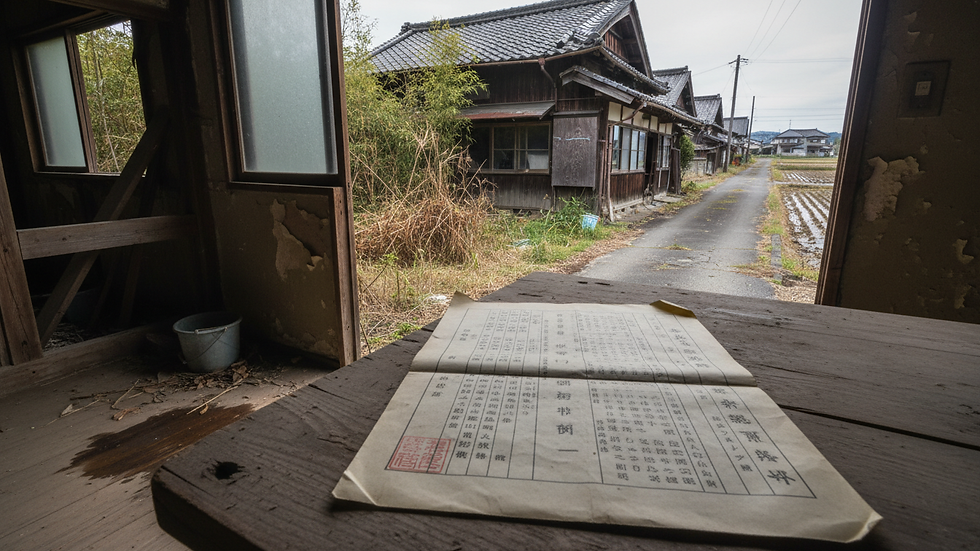
Japan's property market has been characterized by a steady decline in population in rural areas, leading to a surplus of vacant homes. According to the Ministry of Internal Affairs and Communications, as of 2023, there are approximately 8.5 million vacant houses nationwide, representing about 13.6% of all housing stock. This creates a buyer's market, especially for akiya, which can be purchased at prices ranging from as low as ¥500,000 (about $3,700 USD) in some rural prefectures to ¥10 million ($74,000 USD) in more accessible locations.
The government has introduced initiatives to encourage the purchase and renovation of akiya, including subsidies that can cover up to 50% of renovation costs, capped at ¥1 million ($7,400 USD). Renovation costs vary widely but expect to spend between ¥5 million and ¥15 million ($37,000 to $111,000 USD) for a full refurbishment of a typical rural home.
Key points to consider:
Property prices: Rural akiya can be extremely affordable compared to urban centers like Tokyo or Osaka, where average prices for a 2-bedroom apartment start at ¥30 million ($222,000 USD).
Renovation costs: Budget realistically for repairs, especially for older homes that may require structural work, plumbing, and electrical upgrades.
Property taxes: Annual fixed asset tax (kotei shisanzei 固定資産税) is approximately 1.4% of the assessed value, which is often lower for akiya due to depreciation.
Market trends: Urban areas remain stable or appreciate slowly, while rural areas may continue to see price declines unless revitalization efforts succeed.

How to Navigate Investing in Japanese Property Without a Middleman
Many foreign buyers assume they need a real estate agent or intermediary to purchase property in Japan. While agents can provide convenience, they often add a 3-5% commission on top of the purchase price. You can handle the process yourself by following these steps:
Search listings online: Websites like Suumo, At Home, and local government akiya banks list properties with prices and photos. Some listings are in Japanese only, so use translation tools or hire a translator for key documents.
Contact sellers directly: Many akiya owners are open to direct negotiation. You can communicate via email or phone, sometimes with the help of a bilingual friend or professional translator.
Understand the paperwork: The key documents include the registration certificate (tōki shōsho 登記証書), land and building registry, and the sales contract (baibai keiyaku-sho 売買契約書). These are mostly in Japanese but can be translated.
Arrange financing: Foreigners can pay in cash or apply for loans through Japanese banks, though the latter is more complex and often requires residency.
Hire a judicial scrivener (shihō shoshi 司法書士): This licensed professional handles property registration and legal filings for a fee of about ¥50,000 to ¥100,000 ($370 to $740 USD).
Close the deal: After signing the contract and paying the deposit (usually 10%), the remaining balance is paid at closing, typically within 30-60 days.
By following these steps, you avoid agent commissions and gain direct control over your purchase. This approach requires patience and attention to detail but is entirely feasible.
Can You Buy an Akiya as a Foreigner?
Yes, there are no legal restrictions preventing foreigners from purchasing property in Japan. You do not need residency or citizenship. However, there are practical considerations:
Visa status: Owning property does not grant you residency rights. You must have a valid visa to stay in Japan.
Language barrier: Most official documents and negotiations are in Japanese. Hiring a translator or bilingual consultant is advisable.
Property management: If you plan to rent or maintain the property remotely, consider hiring a local property manager. This service typically costs 5-10% of rental income.
Renovation permits: Some municipalities require permits for renovation, especially for older or historic buildings. Check with the local city office (shiyakusho 市役所) or town hall (chōsha 町社).
Tax filing: You will need to file annual tax returns in Japan if you earn rental income or sell the property.
Foreign buyers have successfully purchased akiya without intermediaries by preparing thoroughly and using available resources. The process is transparent but requires diligence.
What Are the Risks and Rewards of Buying Akiya?
Risks:
Depreciation: Many rural properties continue to lose value due to population decline.
Renovation surprises: Older homes may have hidden issues like termite damage or asbestos.
Vacancy: Renting out rural properties can be challenging due to low demand.
Maintenance: Managing a property from abroad requires reliable local contacts.
Rewards:
Low entry cost: You can acquire property for under ¥1 million in some areas.
Government incentives: Subsidies and tax breaks reduce renovation costs.
Lifestyle: Owning a rural home offers a peaceful retreat or base for remote work.
Potential appreciation: Some regions are seeing revitalization efforts that may increase property values.
Example: In Akita Prefecture, a 50-year-old 3-bedroom house was purchased for ¥800,000 ($5,900 USD) in 2022. The owner spent ¥6 million ($44,400 USD) on renovations, including new roofing and insulation. After two years, the property rents for ¥50,000 ($370 USD) per month, covering maintenance and taxes with a modest return.
Steps to Take Before You Buy
Research the area: Check population trends, local amenities, and transportation links.
Visit in person: If possible, inspect the property and meet local officials.
Calculate total costs: Include purchase price, renovation, taxes, and management fees.
Understand legal requirements: Confirm ownership rights, zoning laws, and renovation permits.
Plan for long-term management: Decide if you will rent, use as a vacation home, or sell later.
Use official resources: The Akiya Bank (akiya-net.jp) is a government-supported platform listing vacant homes with detailed information.
By following these steps, you reduce surprises and make an informed decision.
Final Thoughts on Investing in Japanese Property
Investing in Japanese property, especially akiya, can be worthwhile if you approach it with clear expectations and thorough preparation. The market offers affordable entry points and government support, but also requires careful budgeting for renovation and ongoing management.
You can handle the purchase process yourself without a middleman, saving on commissions and gaining direct control. This requires learning some Japanese terms, understanding legal documents, and possibly hiring a judicial scrivener for registration.
For those willing to invest time and effort, buying an akiya can provide a unique asset and lifestyle opportunity. Use available online tools, government resources, and local contacts to guide your purchase. With patience and diligence, you can make a confident investment in japanese real estate that suits your goals.


Comments